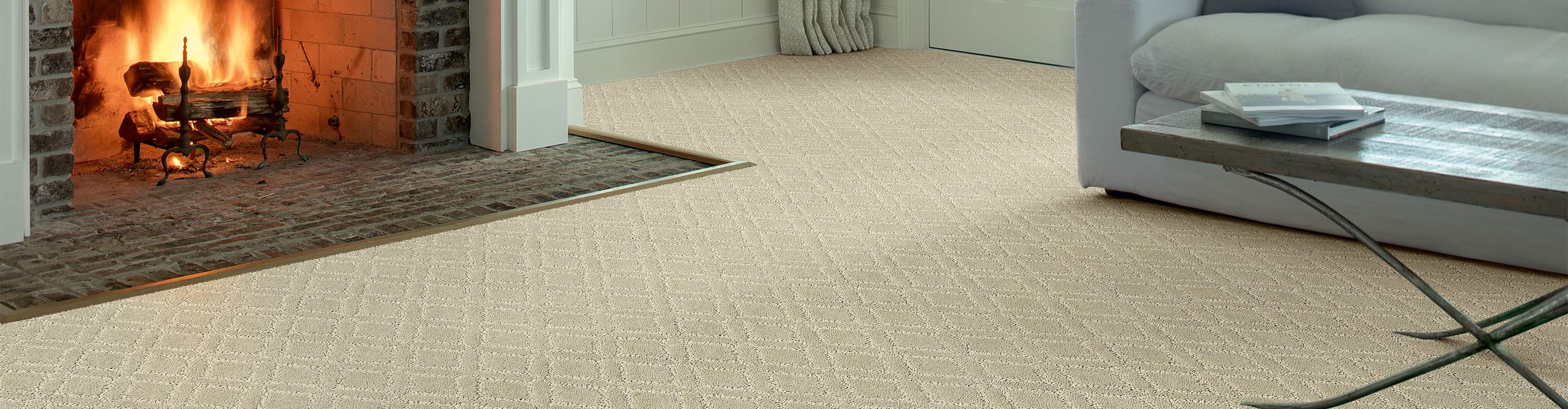
Everyone loves the luxurious and cozy feeling of a soft carpet under their feet. Not only do carpets add an element of warmth and comfort to any room, but they also come in a wide variety of styles, materials, and types to suit different needs and preferences. As your dedicated flooring experts, we're here to help you make sense of it all. This guide breaks down the different types of carpet, what sets each one apart, and how to choose the right fit for your space with confidence.
Venturing into the world of carpet types can be overwhelming, but it doesn't have to be. With the right guidance, you can discover a world far beyond just flooring options, where interior design meets innovation, home decor meets comfort, and your floor become the foundation of your dream space.
The choice of carpet types extends beyond just the aesthetic appeal. Factors such as the room's purpose, traffic levels, personal style, and even climatic conditions come into play. Another critical consideration is the carpet backing, which significantly impacts the carpet's durability, comfort, and performance. High-quality carpet backing can provide additional cushioning, reduce noise, and increase the carpet's lifespan by preventing wear and tear.
Carpet fibers can determine the performance and longevity of your carpet. They can be broadly classified into natural fibers like wool and synthetic fibers like nylon or polyester.
Natural fiber carpets, like a fine woven carpet, offer a unique blend of aesthetic appeal and durability. Wool, for instance, is a carpet fiber that offers an irresistibly soft touch, making it a plush carpet of choice for many homeowners. Sisal and jute carpets are also great flooring choices as they are made of 100% natural fibers that offer texture and aesthetic appeal.
Although natural fiber carpets are prized for their eco-friendly qualities, luxurious feel, and natural look, it's important to consider that they may be more susceptible to stains and wear over time. Because of this, natural fiber carpets are typically better suited for low-traffic areas, like bedrooms and home offices.
Unlike natural carpets, synthetic fiber carpets aren't composed of natural materials but of man-made fibers mostly derived from petrochemicals. Synthetic fiber carpets, like polyester or nylon carpets, offer greater durability, stain resistance, and a wider range of styles and colors, making them a more practical choice for high-traffic areas. Ideal for homes with kids or pets, synthetic carpets are a staple in residences looking for a blend of durability and easy care.
The pile of a carpet refers to the fabric loops sewn into its backing. They can be classified as cut pile, loop pile, or a mix of both. Different pile types significantly affect the look and feel of a carpet, and each offers distinct advantages and disadvantages.
Traditional cut pile carpets, with their fiber ends exposed, offer a soft, plush feel underfoot. They are perfect for bedrooms and formal living rooms, providing a cozy and inviting atmosphere. Cut pile carpet comes in various heights, including low pile carpet for a sleek, modern look and easier maintenance, medium pile carpet for a balance of comfort and durability, and high pile carpet for a luxurious, cushioned experience. Formerly known as shag carpet, Frieze carpet is a high pile carpet with long, twisted fibers that create a casual and relaxed look, ideal for informal spaces.
Expert Tip: Keep in mind that cut pile carpets tend to show footprints and vacuum marks more easily than other types of carpet.
Loop pile carpets, or Berber carpets, with their uncut loops, offer a resilient surface that stands up well to heavy foot traffic. Loop pile carpet is an ideal choice for bustling areas like hallways or living rooms. The tightly woven loops of Berber carpet not only provide a firm and supportive underfoot experience but also add a unique textured appearance that complements various interior styles. Plus, Berber carpet's ability to hide dirt and footprints makes it a practical and stylish option for active households.
While loop pile carpeting is often more durable than cut pile, it can be less comfortable underfoot and might snag on things like heels or pet claws.
Cut and loop pile carpets offer the best of both worlds. Balancing softness and durability, they can be designed into a variety of patterns, offering a unique aesthetic appeal and texture underfoot. Cut and loop pile carpet is an excellent option for adding dimension to rooms like your home office or living spaces.
Carpet is generally grouped by fiber and by pile style:
The best type of carpet depends on the room, the amount of foot traffic it sees, and how it will be used day to day. Soft cut pile styles feel wonderful underfoot in bedrooms, while more resilient loop pile styles hold up better in busy hallways and living areas. Whatever style you choose, quality carpet padding underneath makes a real difference in comfort and how well the carpet performs over time.
Loop pile carpet, often called Berber, tends to be the most durable option because its tightly woven loops resist crushing and hide footprints and dirt well. Cut pile carpets can still perform well in lower traffic spaces, but loop pile is generally the stronger choice for busy areas. Understanding how long carpet lasts can help you weigh durability against the look you want.
Rather than avoiding a specific type of carpet, focus on avoiding a mismatch between the carpet and the room it's going into. A soft, natural fiber carpet in a high moisture or heavy traffic area, for example, may wear out faster than expected. Careful planning and professional carpet installation go a long way toward making sure your new floor performs the way you expect.
Textured and patterned loop pile styles, along with cut and loop combinations, are especially popular right now for the dimension and visual interest they add to a room. Warm, neutral tones also remain a favorite because they pair easily with most furniture and decor styles.
Choosing a carpet is about more than color or the latest trend. It's about finding the right blend of comfort, durability, and style for how you actually live, and that's where our expertise comes in. Our flooring specialists can help you navigate every style, material, and pile height to find the one that truly fits your space. Ready to get started? Don't wait to contact us today and get started finding your perfect carpet.
Proper padding enhances the overall feel of your carpet, extends its lifespan, and ensures a cozy, inviting atmosphere in your home. Selecting the right padding for your carpet is key, so when choosing padding, consider factors like thickness, density, and material, as these influence cushioning and support. Thicker, denser padding provides superior comfort and durability, ideal for high-traffic areas and added insulation. If you're in need of carpet padding that's compatible with underfloor heating, look for padding specifically designed to allow efficient heat transfer without compromising comfort.
To enhance the longevity of your carpets, regular vacuuming is essential to remove dirt and prevent fiber wear. Promptly addressing spills with appropriate cleaning methods prevents stains and damage. Additionally, using rugs in high-traffic areas, periodically rearranging furniture to avoid uneven wear, and scheduling professional deep cleanings annually can significantly extend your carpet's lifespan and keep it looking fresh and vibrant.
The carpet installation process involves several key steps: measuring the area accurately, preparing the subfloor, laying the carpet padding, and securing the carpet in place using either stretching or adhesive methods. Proper trimming and seam alignment are crucial for a professional finish. While a DIY installation can be tempting, hiring professionals is advisable to ensure precise fitting and long-lasting results. Our professional installers have the expertise and tools needed to avoid common pitfalls and guarantee a high-quality installation. For a seamless experience, explore our free estimate and professional installation services to ensure your new carpet is perfectly installed.
Several factors impact the cost of carpets, including the type of fiber (natural vs. synthetic), carpet style (cut pile, loop pile, or cut and loop), and the carpet's density and thickness. Additional costs may arise from underpadding, installation, and any required subfloor preparation. To maximize quality while staying within budget, consider selecting a high-quality synthetic fiber like nylon, which offers excellent durability and stain resistance at a lower price point than natural fibers. Opting for a mid-range carpet with good density and choosing a professional installer can also ensure longevity and performance without breaking the bank.
Thank you for contacting Carpet One Floor & Home. Your local flooring expert will reach out to you regarding your inquiry.